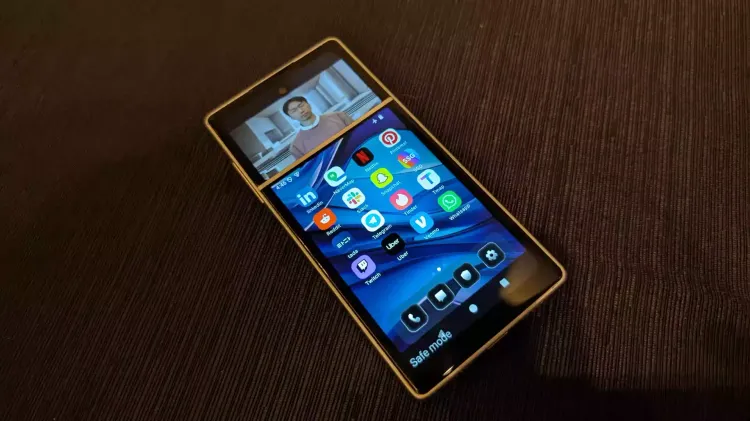
If you're wondering why a device works on WiFi but not on mobile data, the problem usually lies with the cellular connection rather than the device's internet functions. A phone can browse, stream, and use apps perfectly on WiFi but fail to connect on 4G, LTE, or 5G because these connections rely on different settings, hardware, and networks.
Why WiFi Can Work Normally While Mobile Data Does Not
WiFi and mobile data may seem interchangeable because both provide internet access. Behind the scenes, however, they reach the internet through completely different routes.
WiFi connects your device to a nearby router. That router usually receives internet service through fiber, cable, or another fixed broadband connection. Mobile data instead connects your phone or tablet to your cellular carrier through nearby cell towers.
This distinction explains why one connection can fail while the other continues working normally.
How WiFi and Mobile Data Use Different Network Connections
Imagine your phone can't communicate with your carrier. Perhaps its SIM isn't properly activated, cellular data has been switched off, or the carrier has poor coverage where you're standing.
None of those problems necessarily affect WiFi.
Once the phone connects to a working wireless router, internet traffic travels through that router rather than the cellular network. Apps may load normally, making the device itself appear completely healthy.
The opposite can happen too. Your home WiFi could stop working while mobile data remains available.
If WiFi works but mobile data doesn't, the problem is narrowed considerably. It suggests the browser or app probably isn't the main issue. The cellular side of the connection deserves attention first.
How to Tell Whether the Problem Is the Device, SIM, or Mobile Network
Start by turning off WiFi completely and checking the top of the screen.
A working cellular connection will usually display an indicator such as 4G, LTE, 5G, or another network symbol. If you instead see No Service, Emergency Calls Only, or a similar warning, your device may not be connecting properly to the carrier.
Location also provides useful clues.
If mobile internet works downtown but stops inside your house, coverage is a likely explanation. If it doesn't work anywhere, inspect the phone settings, SIM, data plan, and carrier account.
Another useful test is to call or send a text. Calls working normally while mobile internet fails can indicate a data specific configuration or account problem.
Mobile Data Settings That Can Prevent Internet Access
Sometimes the explanation is surprisingly simple. A phone can stay connected to the cellular network even when mobile data is disabled.
That makes checking settings worthwhile before assuming something has broken.
Mobile Data, Data Limits, and App Specific Cellular Permissions
Open your cellular or mobile network settings and confirm mobile data is enabled.
Some phones also offer data saving modes that restrict internet activity. These features can reduce background usage or limit how certain apps connect.
Individual app permissions also deserve attention.
For example, an app may have permission to access WiFi but not cellular data. The result can seem strange because websites or other apps still work over mobile data while one particular service refuses to load.
Usage limits can create similar confusion. Some Android devices let users set warnings or limits based on monthly cellular consumption.
If mobile data isn't working after you recently changed settings, enabled a data saving feature, or hit a usage threshold, check these controls first.
APN and Carrier Settings That Control Mobile Internet Access
An Access Point Name, commonly called an APN, tells a device how to connect to a carrier's mobile data network.
Most modern phones automatically receive the correct APN. Problems can arise after changing carriers, installing a new SIM, resetting a phone, or manually editing network settings.
An incorrect APN can leave the phone connected to the cellular network without providing usable internet access.
Carrier configuration updates matter too. Mobile operators occasionally update settings that help phones communicate with their networks.
Avoid randomly changing APN values found online. Carriers may use different configurations for specific plans or services. If an APN looks incorrect, compare it with information your mobile provider provides directly.
SIM, Carrier, and Cellular Network Problems That Affect Mobile Data
Not every mobile data failure originates inside the phone. The cellular network and your account are equally important parts of the connection.
How SIM and eSIM Problems Can Stop Mobile Data
A SIM identifies your carrier subscription. An eSIM performs much the same function digitally.
If the SIM isn't activated correctly, the carrier may not authorize mobile internet access. Physical SIM cards can also become damaged, loose, or improperly seated.
Dual SIM phones introduce another possibility.
A user may have two active numbers but only one selected for cellular data. If the wrong line has no data allowance or service, the phone may appear unable to access mobile internet.
Check which SIM or eSIM is assigned to cellular data. If you've recently changed providers or activated a replacement SIM, confirm the activation is complete.
How Coverage, Network Congestion, and Your Data Plan Affect Connectivity
Signal bars don't always mean the internet should work perfectly.
They mainly indicate that your phone can detect a cellular signal. The quality and available network capacity can still vary.
Crowded areas provide a good example. Thousands of devices may compete for cellular capacity at a concert, airport, stadium, or busy city center. Your phone may show strong reception while pages load slowly or fail altogether.
Coverage can also deteriorate inside concrete buildings, underground spaces, elevators, and remote areas.
Your account deserves checking as well. A depleted data allowance, suspended service, a billing problem, a roaming restriction, or a carrier outage can interrupt mobile internet.
If several people on the same carrier experience problems at the same time, the network itself becomes a stronger suspect.
Device and Software Problems That Can Block Mobile Data
A device can have excellent signal strength and an active data plan yet still struggle to reach the internet. Software sometimes interferes after the cellular connection has already been established.
VPNs, Private DNS, Security Apps, and Network Configuration Conflicts
VPN services route internet traffic through another server. Private DNS settings change how domain names are resolved. Security applications may filter network traffic before it reaches other apps.
Normally, these tools operate without trouble. However, a corrupted configuration or an unavailable server can prevent internet traffic from passing correctly.
Temporarily disabling a VPN can help identify whether it is involved. The same principle applies to unusual DNS, proxy, or network filtering settings.
Problems sometimes appear after installing a new security application or changing privacy settings. If cellular data stopped working around the same time, that timing deserves attention.
Software Updates, Network Modes, and Cellular Compatibility
Phones rely on software to communicate with cellular networks. An outdated operating system or carrier configuration can occasionally create compatibility problems.
Network mode matters as well.
A phone may support several technologies, including LTE and 5G. Automatic network selection usually provides the most reliable experience because the device can choose what is available.
Imported and older phones can present a different challenge. A device might not support all the frequency bands a particular carrier uses. In that situation, cellular performance may be weak or unavailable even though WiFi works flawlessly.
Network technology also changes over time. Carriers sometimes retire older standards, leaving devices that depend on them with reduced service.
How to Troubleshoot a Device That Only Works on WiFi
The quickest solution usually comes from testing simple possibilities before changing advanced settings.
The Best Order for Testing Mobile Data Problems
First, turn off WiFi and confirm mobile data is enabled. Check whether a 4G, LTE, or 5G symbol appears.
Next, turn Airplane Mode on briefly and then switch it off. This forces the device to reconnect to available networks. Restarting the phone can also clear temporary connection problems.
If service remains unavailable, check your signal, data allowance, SIM selection, cellular permissions, and carrier account. Try using mobile data in another location to separate a coverage problem from a device problem.
Only after these checks should you investigate APN settings, VPN configurations, software updates, or other advanced network controls.
This order matters because changing several settings at once can make troubleshooting harder.
When to Reset Network Settings or Contact the Mobile Carrier
A network settings reset can help when saved configurations have become corrupted. Depending on the device, it may remove saved WiFi networks, Bluetooth connections, VPN settings, cellular preferences, and related information.
For that reason, resetting everything shouldn't be the first response to a minor connection problem.
Contact your carrier if mobile data remains unavailable despite correct settings and good coverage. The provider can check whether your SIM is properly provisioned, your account has restrictions, or an outage is affecting service.
If the carrier confirms everything is functioning normally, hardware or deeper software problems become more plausible.
Conclusion
Understanding why a device works on WiFi but not on mobile data starts with recognizing that the two connections operate independently. Working WiFi shows that the device can access the internet, but it doesn't prove that its cellular connection is configured or functioning correctly.
Most cases come down to mobile data settings, SIM or eSIM configuration, carrier coverage, account restrictions, APN information, or network software. Methodically checking these areas is usually more effective than repeatedly restarting the phone or changing unrelated settings.